The collection originates from five paintings. Each one is a study of form — drawn from sculptural archetypes of antiquity. Not as representation, but as essence. Gesture, balance, and presence are distilled into a visual language that becomes the foundation of every object. These forms do not reference the past. They transform it.
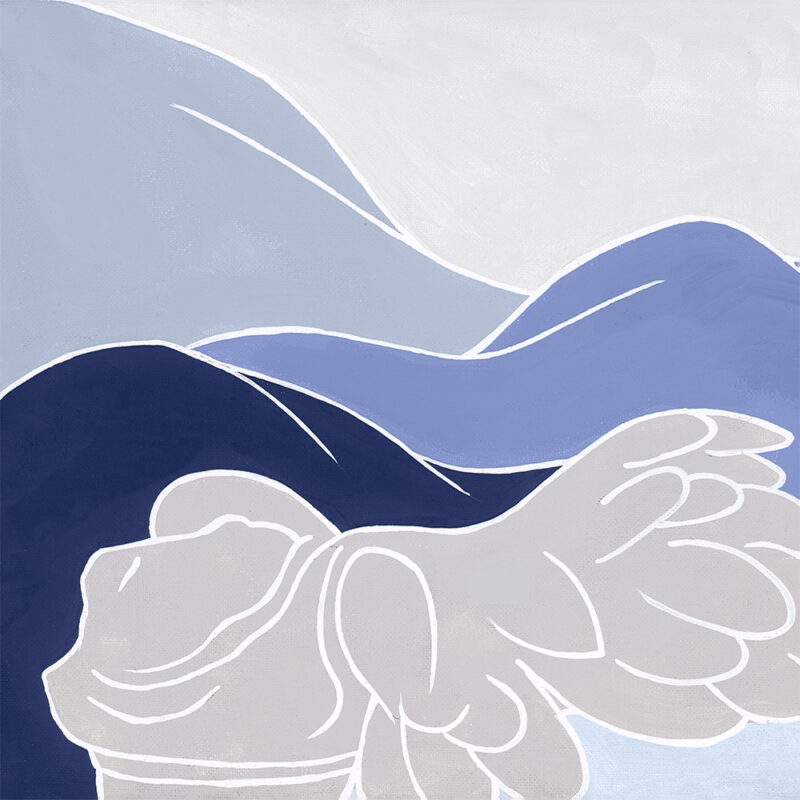
Winged Victory of Samothrace
Movement captured at its peak.
The form expands outward — open, dynamic, and unresolved.
A force rather than a figure, shaped by direction and air.
The Origin
Inspired by the Winged Victory of Samothrace (early 2nd century BC), a
monumental sculpture of the goddess Nike.
Originally positioned on the prow of a ship, the figure captures a moment of
arrival — shaped by movement, wind, and force.
Its dynamic composition dissolves the boundary between sculpture and
space.
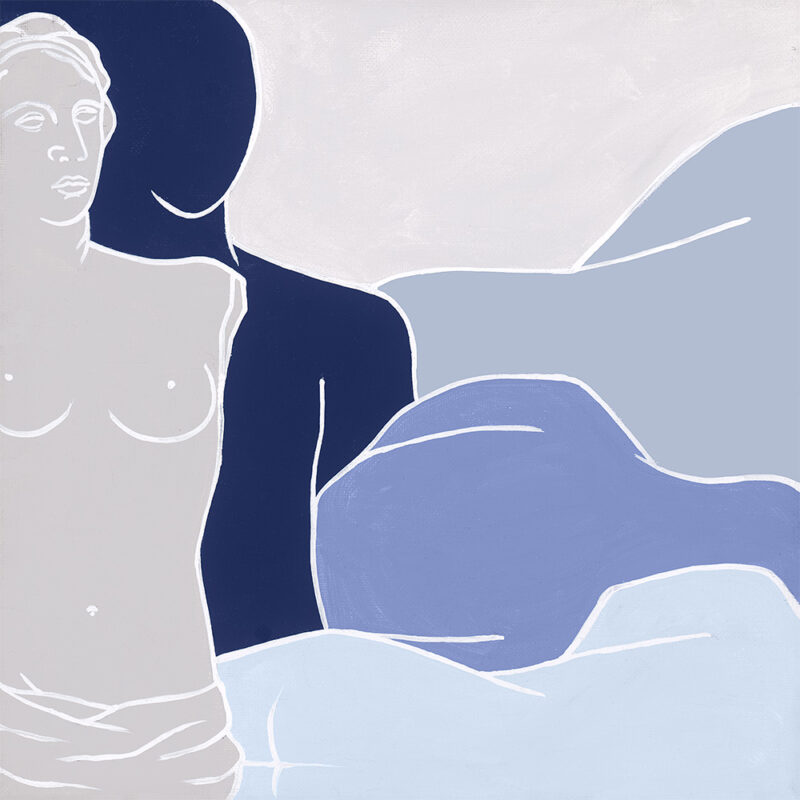
Venus of Milos
The incomplete becomes whole.
The form is defined through absence — a composition shaped as much by what is missing as by what remains.
Light reconstructs the figure in fragments.
The Origin
Inspired by the Venus de Milos (c. 150–125 BC), a masterpiece of Hellenistic
sculpture.
Believed to depict Aphrodite, the figure is defined by both its presence and its
fragmentation.
The absence of arms has become integral to its identity, transforming
incompleteness into timeless form.
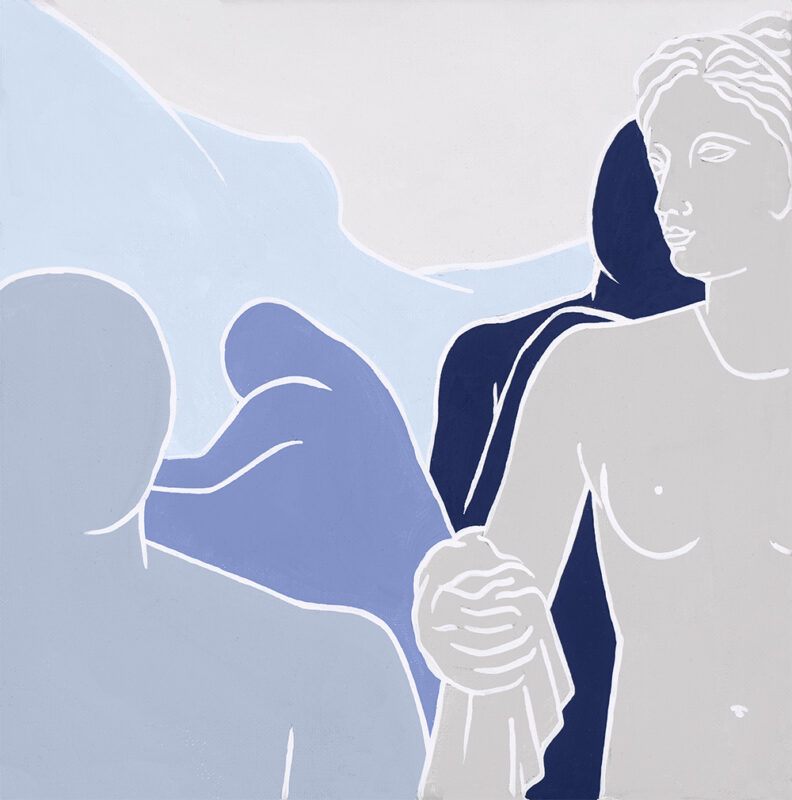
Aphrodite of Knidos
Softness and exposure coexist.
The form unfolds through subtle curvature — both revealing and concealing.
A quiet sensuality emerges, not through detail, but through presence.
The Origin
Inspired by the Aphrodite of Knidos by Praxiteles (4th century BC), one of the
first life-size representations of the nude female form in Greek sculpture.
The figure captures a moment of quiet intimacy — both revealing and
concealing — redefining the perception of divine beauty.
Designed to be viewed from all angles, it introduced a new relationship
between body, movement, and gaze.
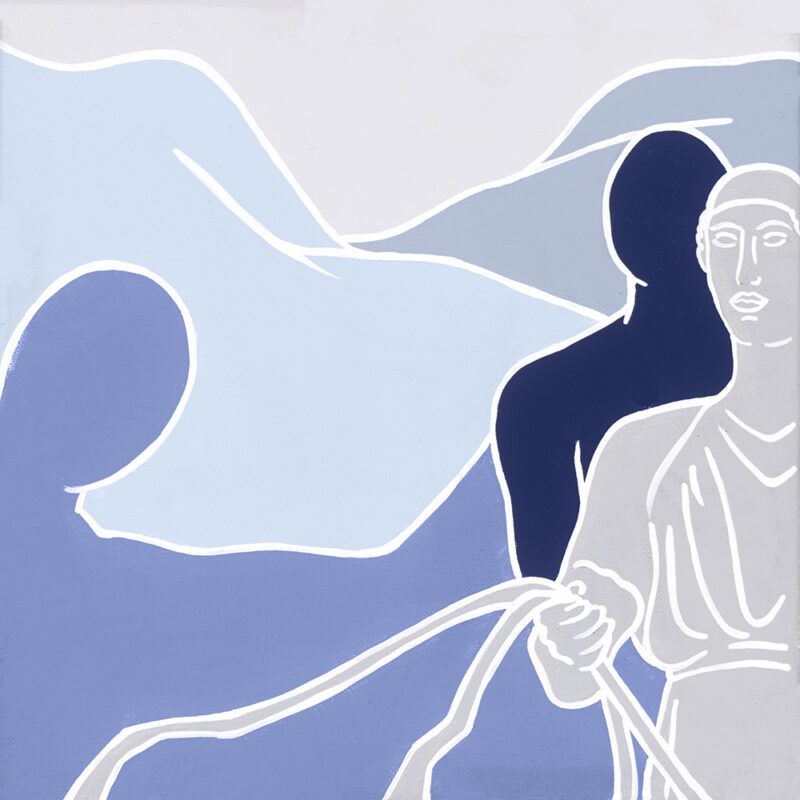
Charioteer of Delphi
Control and restraint define the form.
Verticality dominates — a quiet, grounded strength held within precise balance.
Nothing is excessive. Every line exists with intention.
The Origin
Inspired by the Charioteer of Delphi (5th century BC), one of the rare surviving
bronze sculptures of classical Greece.
Part of a larger chariot group, the figure represents control, discipline, and
composure.
Its restrained expression and refined proportions embody the transition toward
balance and naturalism in ancient Greek art.
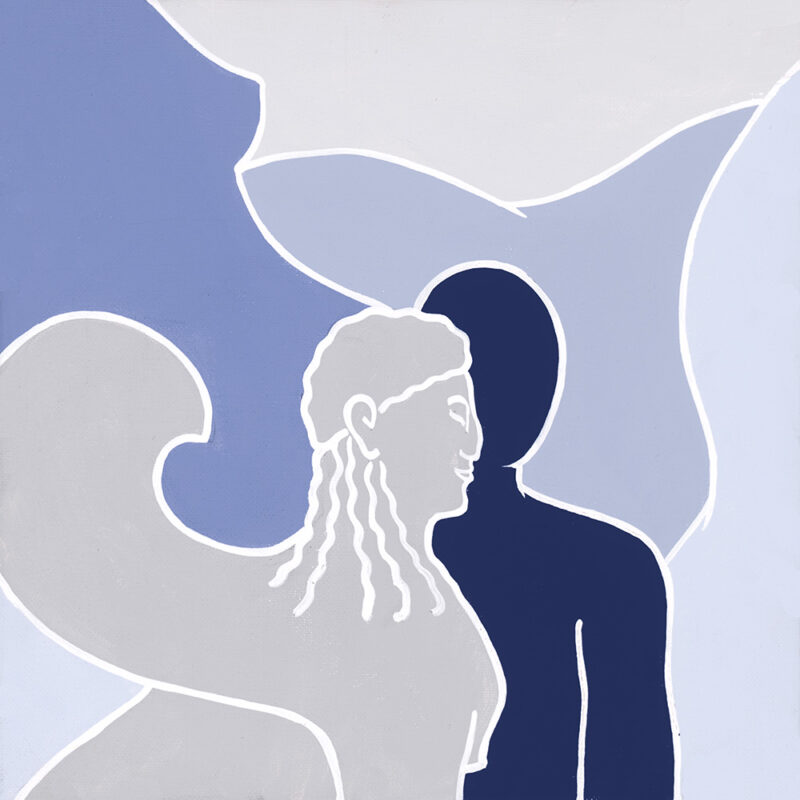
Sphinx
A presence that does not move, yet holds tension.
The form is composed in stillness — frontal, contained, and watchful.
Symmetry becomes structure, while light rests on the surface without revealing its full depth.
The Origin
Inspired by the Archaic Sphinx of the Acropolis, Athens (c. 560–550 BC).
A mythological creature combining human, lion, and bird elements, the Sphinx was originally placed atop a tall column as a guardian figure.
Its frontal stillness, stylised features, and the characteristic “archaic smile” reflect an early sculptural language — where symbolism and presence were inseparable.